Why Your Business Needs Consistent Custom Apparel Branding
When I first started managing a small team, I thought any shirt with a logo would do. I grabbed the cheapest blanks from a big-box store, paid a friend to screen print a few dozen, and called it done. Within three months, the colors had faded, the necklines were stretched, and half the crew refused to wear them. That experience taught me something I have carried into every project since: custom apparel branding is not just about slapping a logo on a shirt. It is about building a visual identity that holds up to real wear, real washing, and real attention.
What Custom Apparel Branding Actually Means
At its simplest, custom apparel branding means putting your mark on clothing. But the difference between a shirt that gets worn and one that gets stuffed in a drawer comes down to the details. The fabric weight, the cut, the print method, the color of the thread, the placement of the design. Every choice signals something to the person wearing it and to everyone who sees them. If the shirt feels cheap, the brand feels cheap. If the design is crooked or the ink cracks after a few washes, people assume the same about the company behind it.
I have seen organizations spend months perfecting a logo, then hand it to a printer with no instructions beyond "make it fit." The result is always underwhelming. A logo that works well on a website may look terrible when it is shrunk to two inches wide on a pocket. A design that pops on screen may turn muddy when printed on a dark fabric. Good custom apparel branding accounts for those differences. It treats the garment as a canvas, not an afterthought.
Screen Printing vs. Embroidery: When Each Shines
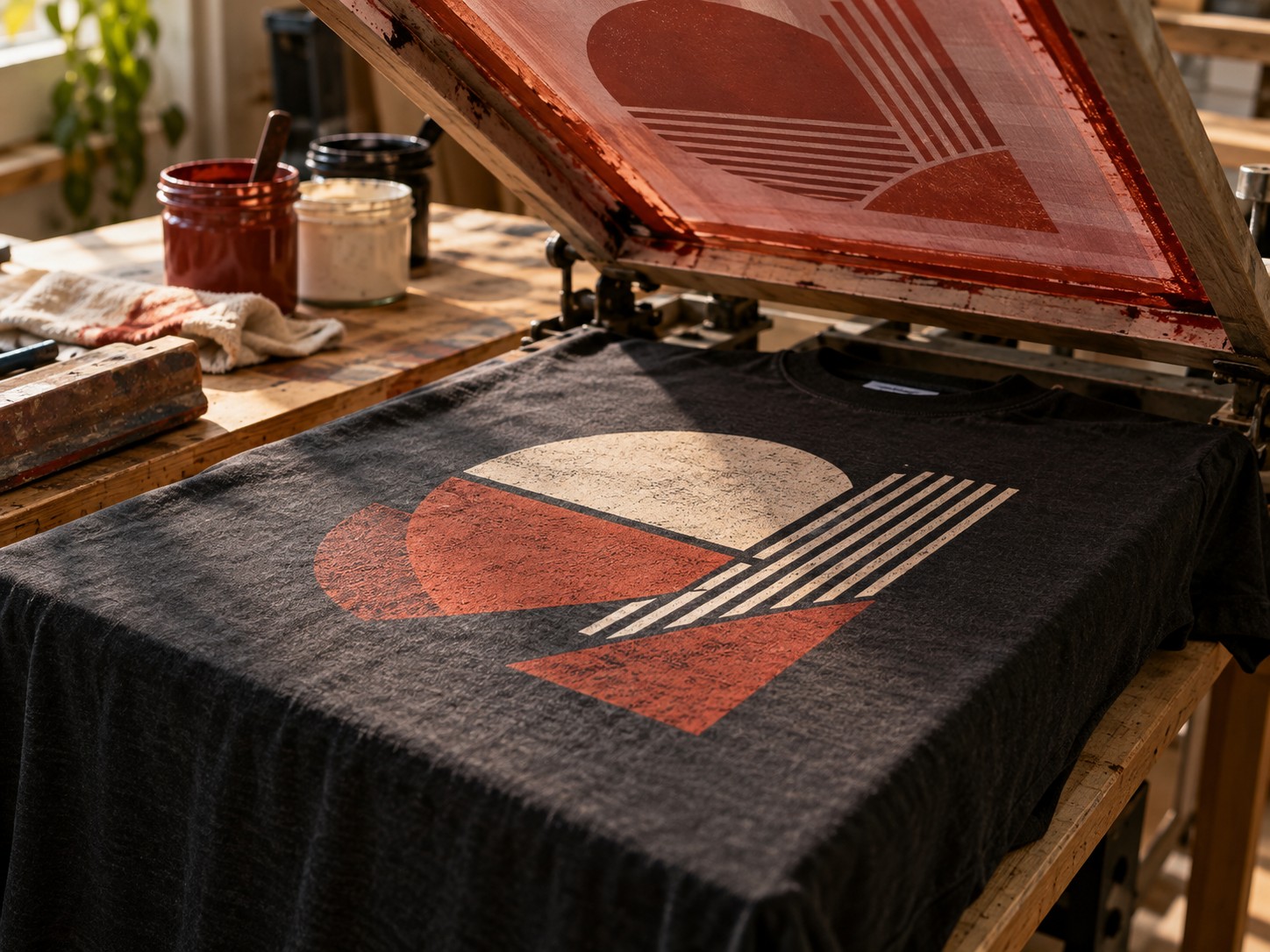
Screen printing and embroidery are the two most common methods for custom apparel branding, and each has its strengths. Screen printing works best for designs with bold colors and solid shapes. It lays down thick ink that can be bright and opaque, which makes it ideal for light fabrics or designs that need high contrast. It also keeps costs low for larger orders, because the setup time is spread across many shirts.
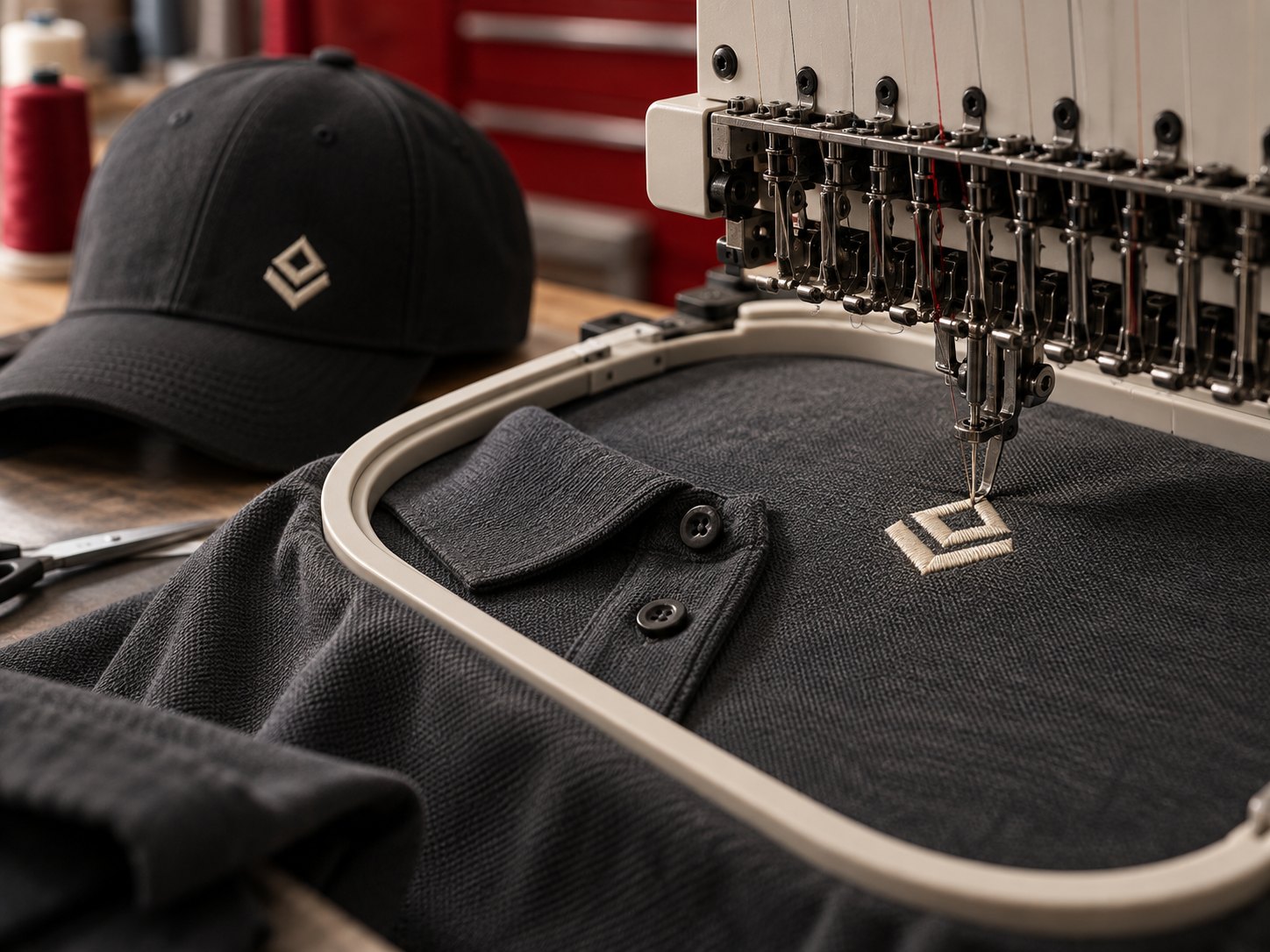
Embroidery, on the other hand, adds texture and longevity. A stitched logo resists fading and cracking in a way that printed ink never will. It looks professional on polos, jackets, and hats. But embroidery has limits. Fine details and small text can get lost in the thread. Gradients and photographs are nearly impossible. And if the garment is very thin or very stretchy, the backing material can show through or cause puckering.
The trick is matching the method to the garment and the use. For a work crew that needs high-visibility vests with reflective stripes, screen printing might be the only practical option. For a sales team that wears quarter-zip pullovers to client meetings, embroidery usually looks sharper and lasts longer. A good partner will help you weigh those trade-offs rather than pushing one method for convenience.
Fabric and Fit: The Foundation of a Good Impression
I once worked with a nonprofit that ordered custom hoodies for a fundraising event. They chose a 50/50 cotton-polyester blend because it was cheap. The hoodies came out fine, but they fit boxy and the fabric pilled after the first wash. The staff wore them once and then left them at home. That is money spent on something nobody wants to wear, which is the opposite of effective branding.
If you want people to actually wear your apparel, you need to care about the blanks. The base garment is the foundation. A good midweight cotton or ringspun cotton tee feels soft out of the bag and holds its shape through repeated washings. For long-sleeve options or outerwear, a tri-blend or performance fabric can offer stretch and breathability that all-day wearers appreciate. Fit matters just as much. Unisex cuts are standard, but they do not flatter everyone. If your team includes a range of body types, consider offering both men's and women's cuts, or at least a modern fit that is not overly baggy.
The fabric choice also affects how the branding looks. A rough-textured canvas jacket will not take a fine-detailed screen print the same way a smooth triblend tee will. Embroidery on a very stretchy fabric can distort the design when the shirt is pulled. These are the kinds of details that separate a one-time order from a program people want to reorder.
Color Consistency Across Items
One of the most common mistakes I see is inconsistent color matching. A team orders navy blue tees from one batch and navy blue polos from another, and the two blues are noticeably different. When they are worn together, the mismatch is obvious. It makes the group look disorganized, even if the branding itself is good.
To avoid this, you need to specify the same brand and color code for every item in an order, or at least verify that the printer can match colors across different fabric types. Pantone codes are helpful here. Provide a Pantone number for each color in your design, and ask for a proof on the actual garment fabric before the full run. A proof on paper will not show how the ink looks on a textured surface or how the thread catches the light.
Color consistency also applies to the thread used in embroidery. A logo that uses a bright red on screen may look orange or pink when stitched with a thread that does not match the Pantone. Good shops stock a wide range of thread colors and can pull samples so you can see the match in person.
Order Quantities and Budget Realities
Custom apparel branding has a volume curve. Screen printing setup costs are fixed per design per color, so the per-piece price drops significantly as the order size increases. For a one-time event with 25 shirts, you might pay $15 each. For the same design on 100 shirts, the per-piece price could drop to $8 or less. Embroidery has a similar curve, though the setup involves digitizing the design rather than burning screens.
If your budget is tight, it can be tempting to order the absolute minimum. But that often leads to a higher per-unit cost and not enough inventory to cover turnover or new hires. A better approach is to order enough to cover the current team plus a buffer of 10 to 20 percent. That way, you have extras for new employees, replacements, and events without needing a rush reorder that costs more per piece.
I also recommend ordering a few samples in different sizes before committing to a full run. Have a few people of different body types try them on. Make sure the size chart matches the actual garment. It is a small step that can save a lot of returns and unhappy recipients.
When to Refresh Your Apparel Program
Apparel branding is not a set-it-and-forget-it task. Colors fade, styles change, and your brand itself may evolve. If the shirts you ordered two years ago are starting to look dated, or if the logo has been updated, it is time to revisit the program. A fresh run with updated colors or a new design can re-energize the team and signal that the brand is active and current.
I have seen organizations refresh their apparel just before a big trade show or a company anniversary. That gives people a reason to wear the new gear and creates a sense of momentum. The key is to plan ahead. Custom apparel branding takes time, especially if you are working with a new design or a method you have not used before. Rushing an order almost always leads to compromises in quality or fit.
Working With a Local Partner
There are advantages to working with a local printer rather than an online-only bulk supplier. A local shop can show you actual samples, match colors in person, and adjust designs on the fly. They also understand the local climate and culture. In Southern California, for example, lightweight tees and performance fabrics are often a better bet than heavy sweatshirts.
DSP Printing, located at 11611 Salinaz Dr Ste O, Garden Grove, CA 92843, USA, offers custom screen printing and embroidered apparel services for businesses and organizations in the area. You can reach them at +1 714-951-4919. A local partner like this can help you navigate the choices around fabric, method, and design so the final product reflects well on your organization.
Good custom apparel branding is not complicated, but it requires attention to the details that make a garment worth wearing. When you get it right, the shirts and hats and jackets become part of your team's identity. They get worn with pride, and every time someone puts one on, they are making an impression that lasts.
Connect with us on Instagram.